FPV Drone Build Guide
Complete guide for building FPV drones optimized for racing, long-range exploration, and freestyle acrobatics. Immersive first-person flying experience with real-time video transmission.
Introduction to FPV Drones
Understanding the FPV flying experience
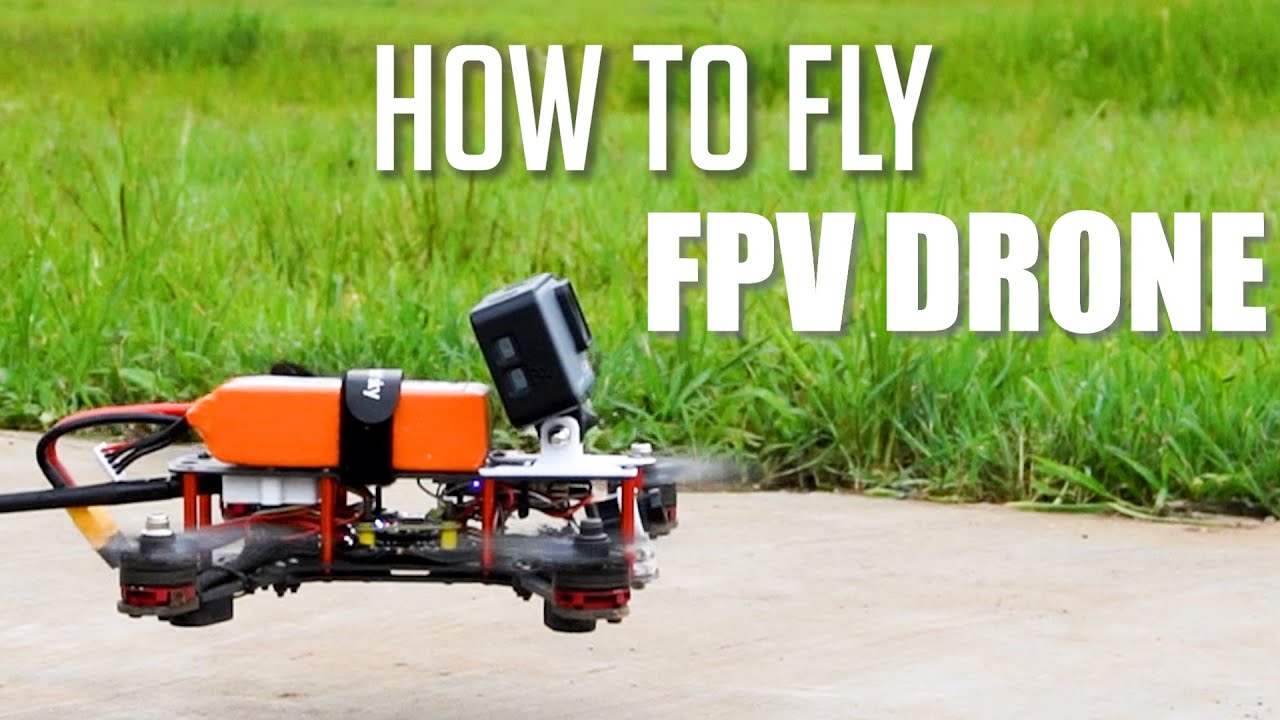
FPV (First Person View) drones offer a uniquely immersive flying experience by streaming real-time video from the drone directly to the pilot's goggles, creating the feeling of being inside the aircraft. This perspective unlocks a high level of precision, speed, and agility compared to traditional GPS-stabilized drones, which are designed mostly for automated, stable flight.
FPV drones respond instantly to pilot input and allow complex maneuvers, tight proximity flying, and dynamic cinematic shots that are impossible with regular consumer drones. Building an FPV drone also gives you full control over every component, making the system highly repairable, customizable, and a great way to learn electronics, radio systems, tuning, and aerodynamics.
Why Build FPV?
FPV drones are essential not just for racing and freestyle flying, but also for creative filmmaking and skill development. You gain complete understanding and control over your aircraft.
Types of FPV Drones
Choose the right build for your flying style
Racing
Use Case: Racing on tracks, high-speed challenges
Pros: Extremely fast, highly responsive, great for competitions
Cons: Less stable for cinematic shots, harder for beginners
Freestyle
Use Case: Freestyle flying, acrobatics, park flying
Pros: Great for tricks, durable, smooth flight characteristics
Cons: Not as fast as racing quads, slightly heavier
Long-Range
Use Case: Mountain dives, long-distance exploration, scenic flying
Pros: Excellent flight time, stable video, ideal for exploration
Cons: Must follow safety rules, heavier and slower to maneuver
Cinewhoops
Use Case: Indoor cinematic shots, close-proximity filming
Pros: Safe around people, stable cinematic footage, good indoors
Cons: Slow, less powerful, struggles in windy outdoor conditions
Micro Quads
Use Case: Indoor practice, tight spaces, safe beginner training
Pros: Great indoors, cheap, beginner-friendly
Cons: Limited power, short range, weak in wind
Toothpick Drones
Use Case: Backyard flying, lightweight freestyle, high-agility practice
Pros: Very lightweight, incredibly agile, fast for their size
Cons: Fragile frame, limited payload capacity
Not sure what build is right for you?
Answer a few quick questions and we'll recommend the perfect drone build based on your experience level, budget, and flying goals.
Components Required
Essential parts for building an FPV drone
Building an FPV drone requires several key components, each with a specific role in flight performance, control, and video transmission. Below is a list of essential parts along with a brief description of what they do.
Frame
The structural body of the drone that holds all components together. Comes in different sizes (2.5", 5", 7") depending on drone type. A good frame provides durability, stiffness, and vibration reduction.
Motors
Brushless motors that spin the propellers. Their size (e.g., 2207, 1404) and KV rating determine power, speed, and efficiency. Bigger motors = more thrust; smaller motors = better efficiency.
ESC (Electronic Speed Controller)
Controls the speed of each motor. Can be individual ESCs or a 4-in-1 ESC. Responsible for delivering clean, precise power to the motors.
Flight Controller (FC)
The "brain" of the drone. It takes pilot inputs, sensor data, and stabilizes the drone using a gyro. Popular firmware options include Betaflight, INAV, and EmuFlight.
Propellers
Blades that produce thrust. Their size (diameter and pitch) affects speed, efficiency, and stability. 2-blade, 3-blade, or 5-blade options depending on flying style.
FPV Camera
Captures the live video feed seen in goggles. Designed for ultra-low latency and high dynamic range (HDR) to handle bright/dark environments.
VTX (Video Transmitter)
Sends the camera's video feed wirelessly to the FPV goggles. Comes in analog (5.8GHz) or digital (HD) formats. Power output ranges from 25mW to 1W depending on range needs.
Receiver (RX)
Receives pilot control signals from the radio transmitter. Examples: ExpressLRS, Crossfire, FrSky. Determines control range and signal reliability.
Battery
LiPo or Li-ion battery that powers the drone. Rated by cell count (3S, 4S, 6S) and capacity (mAh). Higher voltage = more power; higher capacity = longer flight time.
Antennas
Used for both video and control link. Different types include omnidirectional, directional, or patch antennas. Good antennas = stronger signal and better range.
Action Camera (Optional)
Used for cinematic recording. Adds weight but provides high-quality footage for freestyle and cinematic drones.
Miscellaneous
Wires, screws, heatshrink, soft-mount pads, and mounting accessories needed to complete the build.
Choosing a Frame
Select the right foundation for your build
Choosing the right frame depends entirely on the type of FPV drone you want to build. Frames come in many sizes—from tiny micro quads all the way to large long-range platforms—and each size influences performance, durability, and use case.
Frame Sizes and Typical Use Cases
- Micro (65mm–120mm): Indoor whoops and micro quads
- 2.5 inch: Small freestyle, cinewhoops, lightweight outdoor flying
- 3 inch: Efficient small builds, lightweight long-range, versatile beginners' choice
- 4 inch: Mid-range efficiency, lightweight long-range setups
- 5 inch: The most common size for freestyle and racing
- 6 inch: Long-range efficiency, better cruising with bigger props
- 7 inch: Serious long-range exploration and endurance flying
- 8–12 inch: Heavy-lift, long-range cinema rigs, specialty builds
What to Consider When Choosing a Frame
Drone Type
Racing (light), freestyle (durable), cinewhoop (ducted), long-range (large/wide)
Material
Carbon fiber for strength and low weight
Arm Thickness
Thicker = stronger but heavier
Mounting Patterns
Ensure compatibility with motor size and FC mounting (20×20, 25.5×25.5, 30×30)
Prop Size Compatibility
The frame must match the propeller size you intend to run
Camera Mount Type
Nano, micro, or full-size depending on your FPV camera
Important Note
Choosing the frame is the foundation of your entire build—once this is set, all other components must match its size and mounting specifications.
Choosing Motors
Power and performance selection
Selecting the right motors is crucial because they determine how powerful, efficient, and responsive your FPV drone will be. Motor size, KV rating, and build type all directly affect flight characteristics.
Motor Size (Stator Size)
Motor sizes are written as four digits (e.g., 2207, 1404):
First two digits: Stator diameter
Last two digits: Stator height
A larger stator provides more torque. Bigger motors (2207, 2306, 2506) give more power and thrust for freestyle/racing. Smaller motors (1103, 1204, 1404) offer more efficiency for micro or lightweight builds.
Common Motor Sizes by Drone Type
- Micro / Whoop: 0802, 1002, 1103
- 2.5–3 Inch: 1204, 1404, 1505
- 4 Inch: 1804, 2004
- 5 Inch (Freestyle/Racing): 2207, 2306, 2307
- 6 Inch Long-Range: 2506, 2507
- 7 Inch Long-Range: 2507, 2806.5
KV Rating (RPM per Volt)
High KV (2400–2800KV)
More speed, less efficiency; used for racing and freestyle. Typically paired with 4S batteries.
Low KV (1500–1900KV)
Better efficiency and control; used for long-range and heavy props. Typically paired with 6S batteries.
Motor Build Quality Factors
- Magnet Strength (N52/N54): Better torque and efficiency
- Bearing Quality: Smoother, longer-lasting motors
- Weight: Lighter = more agile, heavier = more torque
- Bell Design: Unibell motors provide durability
How to Choose
Match your motor to: Frame size (prop size must match motor power), Drone type (racing = high KV, long-range = low KV), Battery voltage (higher voltage ⇒ lower KV), and Weight target (heavier drones need bigger motors).
Choosing a Flight Controller
The brain of your FPV drone
The flight controller (FC) is the brain of your FPV drone. It reads sensor data, stabilizes the drone, runs firmware (Betaflight, INAV, Ardupilot, etc.), and communicates with the ESCs, receiver, and peripherals. Choosing the right FC depends heavily on the type of drone, features needed, and durability requirements.
Types of Flight Controllers
FC + 4-in-1 ESC Stack
Most common setup for 3″–7″ freestyle, racing, and long-range drones
Better durability and heat management
Easier repairs—replace FC or ESC independently
Supports higher current for bigger builds
Slightly heavier than AIO
Requires more space inside frame
AIO Flight Controllers
FC + ESC on one board, mainly for micro quads and sub-250g builds
Very lightweight
Compact and perfect for tight frames
Clean builds with minimal wiring
Lower durability, poor repairability
Cannot handle high current
Key Specifications to Consider
MCU / Processor
F4: Basic, reliable, fewer features
F7: More UARTs, faster processing, better filtering (recommended)
H7: High performance for advanced long-range/autonomous builds
Gyro Type
BMI270 / ICM42688: Modern, stable gyros
MPU6000: Legendary stability but discontinued
Choose soft-mounted gyro for best performance
UART Availability
More UARTs = more devices (GPS, VTX control, receiver, DJI O3/Walksnail HD, blackbox logging). For long-range/cinematic drones, at least 5 UARTs recommended.
Voltage Support
Check if FC supports 2–6S (most common), 1S (tiny whoops), or has integrated BECs (5V/9V for accessories)
Mounting Pattern
30×30 mm: 5–7 inch drones
20×20 mm: 3–4 inch drones
16×16 / 25.5×25.5 mm: Micro quads, whoops
Firmware Compatibility
Betaflight: Freestyle & racing
INAV: GPS, long-range, autonomous flight
Ardupilot: Advanced autonomous missions
Recommendation
F7 flight controllers are the sweet spot for most pilots, offering excellent performance, filtering capability, and peripheral support without the cost premium of H7 boards.
Assembly Videos
Watch FPV drone assembly walkthroughs
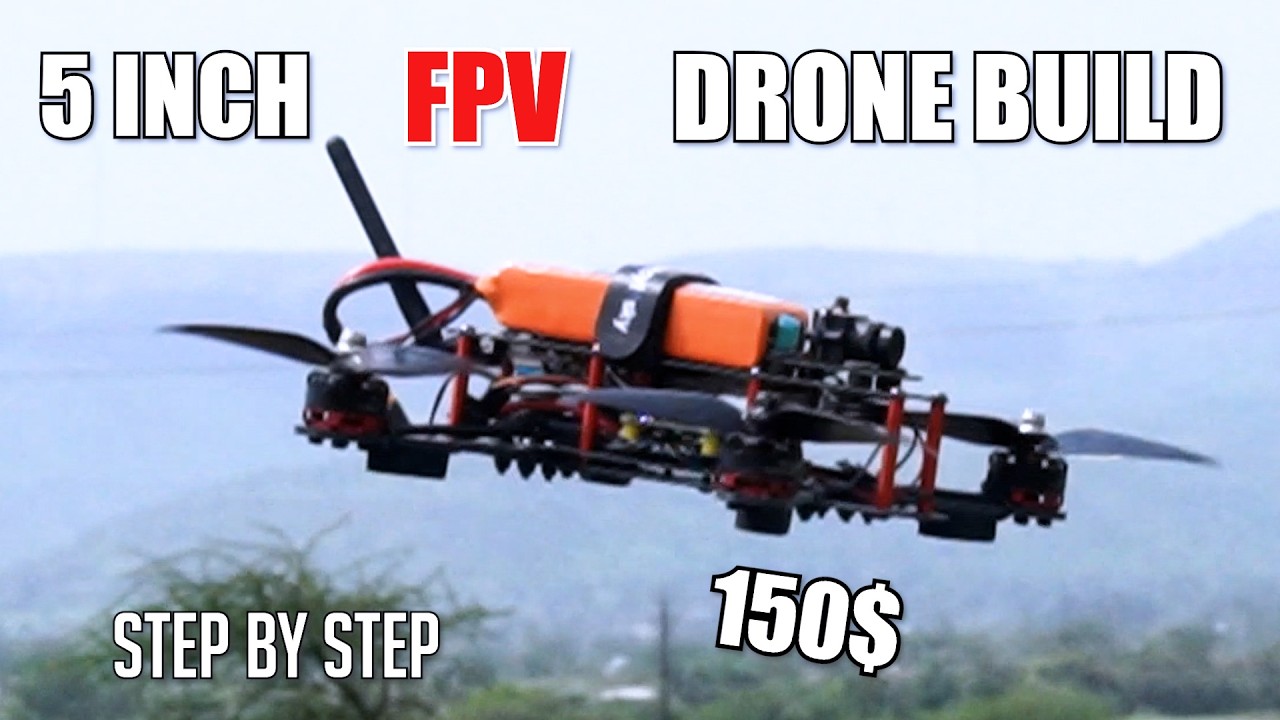
FPV Drone Assembly Tutorial
Watch Tutorial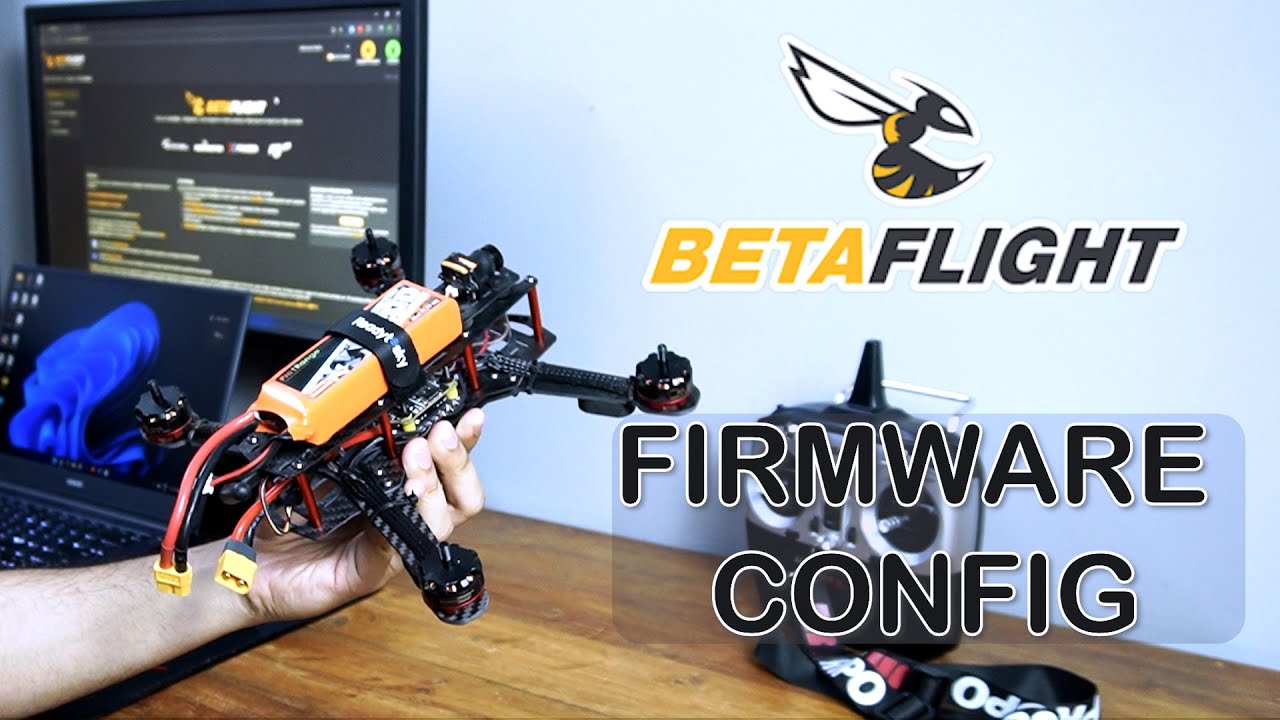
FPV Build Guide
Watch Tutorial